

The Sustainability Shift: What Work Clothes Shops Are Doing to Reduce Fashion Waste
The fashion industry has long struggled with the environmental impact of fast production and fast disposal. Mountains of textiles end up in landfills each year, and garments designed for short life spans only add fuel to the problem. In recent years, however, a growing movement toward sustainability has begun reshaping the apparel world. Work clothes shops — once focused purely on durability and uniformity — are now leading the way in creating long-lasting, responsible clothing that supports both people and the planet. Their shift is helping everyday consumers, families, and businesses make more ethical choices without compromising quality or performance.
Understanding the Waste Problem
Workwear occupies a distinctive position within the broader fashion industry. Unlike trend-driven streetwear, uniforms and performance gear must withstand long hours, repeated washing, diverse environments, and constant movement. When these garments wear out prematurely, the consequence isn’t just purchasing another pair of pants — it’s multiplying the cycle of production and disposal.
Industries that rely heavily on workwear, including trade professions, hospitality, healthcare, and athletics, contribute significantly to textile turnover simply due to usage intensity. The same goes for kids workwear, where children quickly outgrow garments or wear them down through play and exploration. Sports clubs and organizations face similar problems with sports & team wear, which must not only fit well and perform under pressure but also look sharp and consistent season after season. The cycle of consumption can be relentless — unless innovation interrupts it.

Where Sustainability Begins: Smarter Materials
One of the most significant shifts is happening at the fiber level. Many work clothes shops today are redefining product development through responsibly sourced fabrics. Recycled polyester, organic cotton, and blends made from post-consumer textiles are gradually replacing virgin materials in everything from cargo trousers to lab coats.
These materials don’t just reduce carbon emissions and energy usage — they also extend garment life. For businesses that purchase uniforms in bulk or for parents buying kids workwear frequently, longer-lasting fabrics mean fewer replacements and less waste from the outset. Some industry manufacturers are developing tear-resistant and fade-resistant fibers that preserve fit and function even after dozens of washes, reducing the need for early disposal.
Designing for Longevity Instead of Replacement
The sustainability shift isn’t just about what clothes are made of — it’s also about how they’re made. Workwear brands are beginning to adopt design philosophies that prioritize longevity and repairability. Examples include:
- Reinforced stitching in high-stress zones
- Modular components such as replaceable zippers and detachable pockets
- Multi-season, evergreen styles instead of trend-based collections
Sports & team wear has also seen a rise in high-stretch fabrics that retain shape longer, reducing the common issue of sagging or tearing that prematurely sidelines jerseys and shorts. The message is simple: fewer garments thrown away means less fashion waste produced.
Circular Programs: Give Back, Repair, Reuse
Another promising development is the expansion of circular systems. Many workwear store are now taking responsibility for what happens after their products leave the shelf by implementing:
- Uniform recycling drop-off bins
- Trade-in discounts for worn items
- Repair services for damaged garments
- Partnerships with textile recycling factories
These programs give consumers and organizations a tangible way to keep textiles out of landfills. Some schools and sports clubs are adopting a similar model for sports & team wear — swapping or repurposing previous seasons’ uniforms to support younger athletes and reduce annual garment turnover. Even kids workwear, historically one of the fastest-discarded categories, is benefitting from resale and reuse initiatives.
Featuring the Expanding Product Range Supporting Sustainability
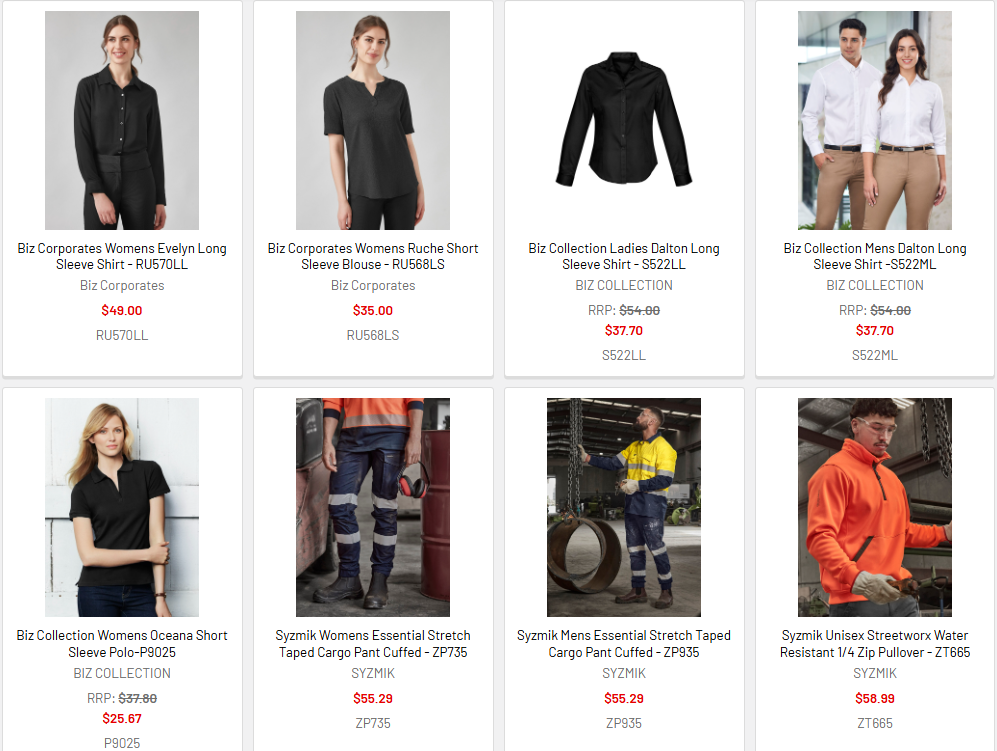
Part of reducing fashion waste involves offering versatile, long-lasting clothing options that stand up to demanding environments. The product ranges now emerging from responsible uniform providers reflect this mission. Many work clothes shops are delivering durability and sustainability across categories such as:
- Everyday trade and safety workwear
- Hospitality and corporate uniforms
- Healthcare and lab attire
- Hi-vis and PPE essentials
- Custom-branded business uniforms
- Kids workwear built for growth and play
- Sports & team wear for schools, clubs, and community groups
What ties these diverse categories together is not just practicality — it’s the intentional shift toward longer garment lifespans, recyclable materials, and reduced overproduction.
On-Demand Production and Smaller Batches
Overproduction remains one of the biggest drivers of fashion waste. To counter this, many businesses are shifting to smart supply-chain models such as on-demand printing and seasonal pre-order systems — especially for company uniforms and sports & team wear. This helps eliminate unnecessary stock, minimises unused textiles, and ensures that every garment has a purpose before it is ever produced.
Consumer Behavior Matters Too
Though businesses are initiating the shift, consumers are an equally powerful part of the solution. The rise of conscious purchasing means buyers now actively ask about ethical sourcing, recycled materials, and garment lifespan. Families looking for durable kids workwear are increasingly valuing pieces that last through growth stages or can be passed along. Companies seeking uniforms for employees are incorporating environmental values into their procurement decisions.
A Future Built on Responsibility and Innovation
The transformation within workwear — sometimes overlooked beside the glamour of mainstream fashion — represents a quiet but powerful evolution toward sustainability. Work clothes shops are showing that garments designed for resilience and responsibility can still be comfortable, stylish, and adaptable to diverse industries.
Fashion waste didn’t become a global problem overnight, and it won’t disappear instantly. But the commitment to better fabrics, smarter design, circular systems, and conscious consumption is building a foundation for a future where our clothing supports both the needs of our work and the needs of the planet. The sustainability shift is no longer a trend — it’s a necessity, and it’s shaping the new standard for responsible apparel.
Recent Posts
-

What Are the Benefits of Hi Vis Workwear for Workers
Builders and construction workers operate in demanding environments where safety and visibility are …16th Mar 2026 -

Why Australian Businesses Are Switching to Reliable Workwear Online Suppliers
Across Australia, businesses are rethinking how they source uniforms and protective clothing. From c …27th Feb 2026 -

Trusted Workwear Stores for Fire Retardant Workwear Coveralls in Australia
In demanding Australian industries, safety is not a luxury—it’s a requirement. From construction sit …9th Feb 2026